

Key Takeaways
Combining mindfulness meditation with targeted supplementation creates synergistic effects that significantly enhance brain health and emotional wellbeing for adults over 55, surpassing the benefits of either approach alone.
• Meditation physically reshapes aging brains: Just 30 minutes daily for 8 weeks increases gray matter in memory centers while reducing amygdala size, effectively reversing age-related cognitive decline.
• Strategic supplementation addresses critical deficiencies: NAD+ precursors, omega-3s, magnesium, and B vitamins support the neurochemical foundations that decline after 55, enabling optimal brain function.
• Mindfulness enhances supplement effectiveness: Meditation activates parasympathetic responses that improve nutrient absorption by 30% while creating optimal conditions for supplement utilization.
• Combined protocols reduce cortisol by up to 32%: Pairing ashwagandha with consistent meditation practice delivers superior stress management compared to either intervention alone.
• Start small but stay consistent: Begin with 10 minutes daily meditation plus GP-approved foundational supplements—consistency matters more than duration for measurable brain changes.
The integration of these evidence-based practices requires medical oversight to ensure safety, particularly regarding medication interactions. However, when properly implemented with healthcare provider guidance, this combined approach offers a powerful, scientifically-validated pathway to preserving cognitive function, enhancing emotional resilience, and supporting vibrant aging well into later life. ## Introduction
Anxiety affects 10-20% of older adults and can accelerate cognitive decline[32], yet mindfulness supplements over 55 represent a combined approach to protecting brain health and emotional wellbeing. Research shows that mindfulness meditation produces measurable changes to brain structure and function in older adults. Targeted supplementation supports the neurochemical foundations for cognitive performance. The combination of these practices creates effects that surpass either approach alone. This piece gets into the neuroscience of mindfulness in aging and explores how mindfulness supplements support brain chemistry after 55. It provides guidance for building a personalized protocol that integrates meditation practice with supplementation for thriving in later life.
The Neuroscience of Mindfulness in Older Adults

"Repeated practice of mindfulness meditation can affect practitioners’ brains on two levels: in the functioning of brain structures (during or outside meditation) and in the structure of the brain structures (in terms of cortical thickness or of gray-matter volume, density)." — Alessio Matiz, Expert from University of Udine in Psychology, Religion, Electronics
How Meditation Changes Brain Structure After 55
MRI imaging reveals that mindfulness meditation produces measurable structural changes in the aging brain, particularly in regions governing memory, emotional control, and self-awareness. An eight-week mindfulness program at Massachusetts General Hospital showed increased gray matter concentrations in the hippocampus, a deep brain structure that is everything in learning and memory regulation[1]. Participants who practiced approximately 30 minutes daily showed improved gray matter density in areas associated with remembering the past, imagining the future, reflection, and empathy[1].
These structural modifications extend beyond memory centers. The prefrontal cortex and anterior cingulate cortex, regions managing stress physiology and emotional responses, show increased cortical thickness following consistent mindfulness practice[2]. Meditation strengthens the neural architecture responsible for maintaining control over stress reactions. The amygdala, which processes fear and anxiety, shows reduced size and reactivity after meditation training[2]. This downregulation associates with decreased stress and anxiety levels whilst supporting improved capacity for emotional regulation[2].
Advanced meditators demonstrate preserved brain structures compared to age-matched controls. Cross-sectional studies reveal higher gray matter concentration, larger hippocampal volume, and reduced age-related atrophy in the left hippocampal subiculum amongst experienced practitioners[33]. Research using machine learning to estimate brain age found that older expert meditators expressed substantially younger estimated brain age compared to meditation-naive adults at the same chronological age, with this effect strengthening proportionally to accumulated practice hours[4].
Mindfulness and Cognitive Function: The Evidence
A systematic review and meta-analysis by UCL researchers perusing 45 studies with 2,238 participants found that mindfulness conferred a small but substantial benefit to cognition[5]. Subgroup analysis revealed the effect was slightly stronger for people over 60, whilst there was not a substantial effect for those under 60[5]. The researchers found mindfulness proved beneficial specifically to executive function, with strong evidence of positive effects on working memory[5].
The lead author noted that executive function declines with age amongst older adults, suggesting mindfulness may help guard against cognitive decline by maintaining or restoring executive function in late adulthood[5]. The cognitive benefits appeared only when mindfulness was compared with inactive controls rather than other active interventions, suggesting that social interaction and expectation of benefit may contribute to observed improvements[5].
Long-term practitioners demonstrate even more pronounced cognitive preservation. Older meditators performed better than age-matched non-meditators on attentional processing tasks, with performance comparable to younger control groups[34]. Sustained attention showed negative correlation with age in matched controls but not in experienced meditators, who performed as well as their younger counterparts[35]. These findings suggest mindfulness may offset age-related attentional deficits through sustained practice.
Neuroplasticity and Brain Aging: What the Research Shows
The aging brain retains considerable capacity for structural adaptation, contradicting earlier assumptions about fixed neural decline. Brain volume decreases from 0.2% per year in early adulthood to 0.6% per year in the sixties and seventies, whilst hippocampal shrinkage accelerates to 1.12% annually by the early seventies[36]. Neuroplasticity allows compensation through consolidation and resource optimization despite this continuous decline[36].
Mindfulness meditation appears to promote neuroplasticity through multiple biological pathways relevant to brain health after 55. Regular practice increases production of brain-derived neurotrophic factor (BDNF), which supports neuron lifespan, growth, and synaptic plasticity whilst boosting learning and memory[2]. This neuroplasticity manifests as observable modifications in brain areas associated with emotional management, attention, and self-awareness.
Longitudinal studies demonstrate that intense meditation practice over four to eight weeks produces increases in local brain tissue rather than merely preventing loss[36]. These changes may result from reduced cortisol-induced neurotoxic effects, as tissue originally lost due to raised cortisol levels can be restored when cortisol decreases[36]. Cross-sectional neuroimaging investigations revealed less pronounced negative correlations between chronological age and cerebral measures in meditators than controls, with meditators' brains appearing several years younger when assessed through automated pattern recognition[36].
The mechanisms underlying these neuroprotective effects include upregulating telomerase activity, downregulating pro-inflammatory processes, and decreasing chronic stress effects[36]. Mindfulness practice modulates hippocampal structure, potentially conferring better cognitive function and mental capacity whilst reducing risk factors for mild cognitive impairment[33]. Following eight-week MBSR programs, positive correlations emerged between perceived stress reductions and decreased gray matter density in the right amygdala, suggesting neuroprotective benefits correspond with altered brain morphology and emotion regulation[33].
How Supplements Support Brain Chemistry and Function
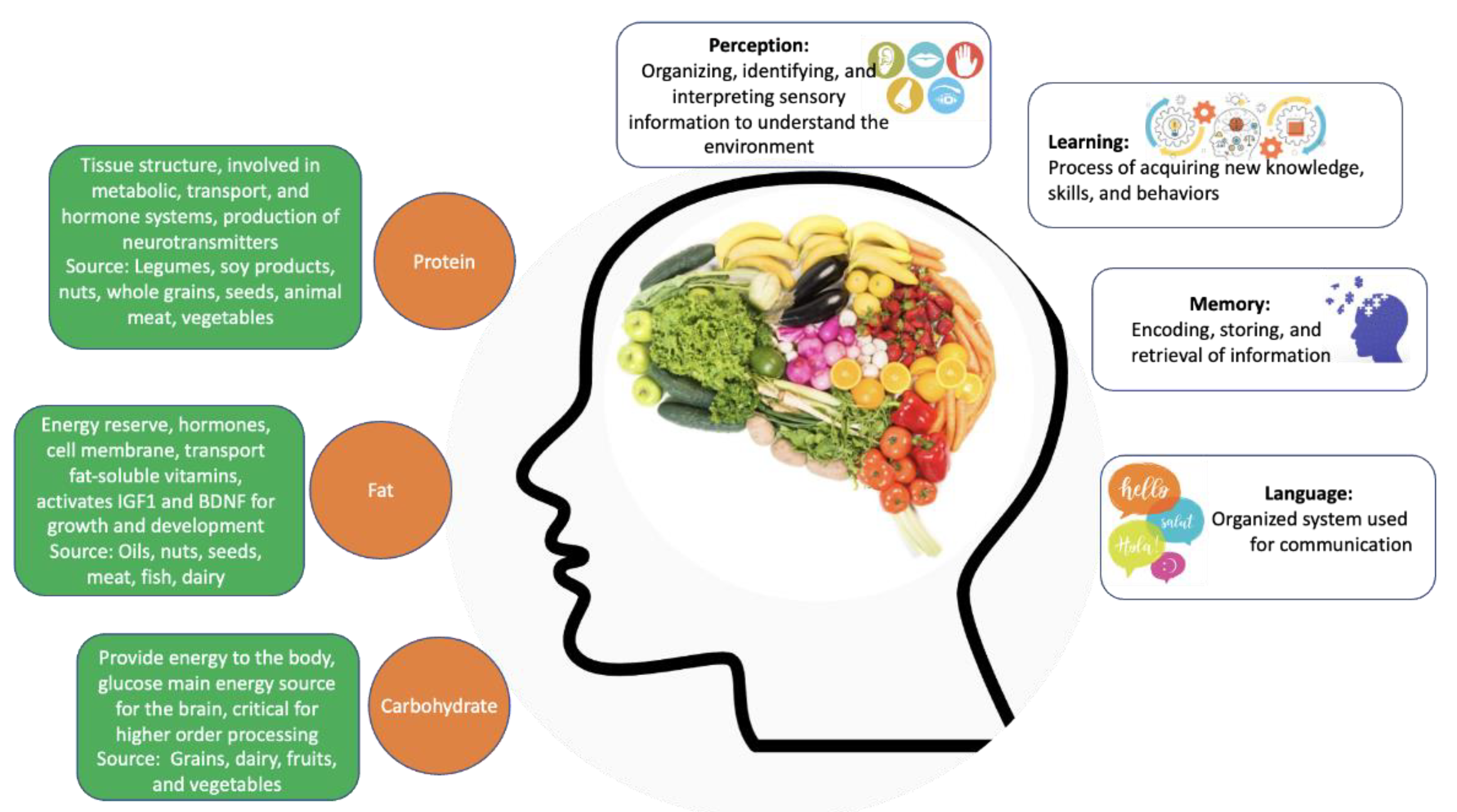
The structural changes mindfulness creates require biochemical support from nutrients that maintain neuronal function, synthesize neurotransmitters and protect against oxidative damage. Targeted supplementation addresses specific deficiencies that accumulate after 55 and supports the neurochemical foundations necessary for optimal cognitive performance and emotional stability.
Key Nutrients That Decline With Age
Absorption of food-bound vitamin B12 diminishes in 40% of people aged 75-80[37]. This malabsorption stems from reduced stomach acid production and intrinsic factor secretion. It creates functional deficiencies even when dietary intake appears adequate. The brain accounts for approximately 25% of total body glucose utilization despite representing only 2% of adult body weight[38]. This metabolic intensity renders neural tissue vulnerable to nutrient insufficiencies.
Magnesium, iron and manganese serve as cofactors in glycolysis and the citric acid cycle, the fundamental pathways for cellular energy production[38]. Iron deficiency in neural tissue disrupts neurophysiological mechanisms and impairs coordination, executive function, attention and memory[39]. Iron overload boosts oxidative stress and neuronal cell death. This creates a narrow optimal range that becomes harder to maintain with advancing age[39].
The Role of NAD in Mental Clarity and Cellular Energy
Nicotinamide adenine dinucleotide (NAD+) functions as both a vital redox cofactor for metabolism and ATP production and a substrate for at least four enzyme families involved in healthspan and longevity[40]. NAD+ levels decline during normal aging and accelerate further with chronic inflammation and oxidative stress. This reduces brain resilience and increases susceptibility to neurodegenerative diseases[41].
The brain's extraordinary energy demands make NAD+ critical for neural function. Neurons rank amongst the most energy-hungry cells and rely on ATP to maintain ion gradients, release neurotransmitters and support rapid signaling[41]. NAD+ fuels sirtuins, enzymes that maintain healthy mitochondria, regulate inflammation and support cellular stress responses[40]. SIRT1 regulates glycolysis, gluconeogenesis and mitochondrial homeostasis whilst promoting neurite outgrowth, axon development and dendritic arborization[40].
NAD+ supports poly(ADP-ribose) polymerases (PARPs), enzymes that are the foundations of DNA repair[41]. NAD+ increase strategies, including treatment with precursors NR or NMN, restored mitochondrial function and bioenergetics in premature aging animal models. This led to boosted neuronal survival and improved cognitive function[40]. This connection between cellular energy production and NAD and mental clarity after 55 explains why NAD+ supplementation may reduce brain fog and boost focus in older adults.
Omega-3 Fatty Acids and Neuroprotection
Omega-3 polyunsaturated fatty acids, eicosapentaenoic acid (EPA) and docosahexaenoic acid (DHA), incorporate into phospholipids where they affect membrane fluidity, flexibility, permeability and the activities of membrane-associated enzymes and receptors[38]. Brain gray matter phospholipids contain high proportions of DHA and arachidonic acid, that indicates their importance to central nervous system function[38].
Increased omega-3 levels associated with better memory, processing speed and structural brain measures among healthy older adults[42]. EPA related substantially with delayed recall performance and processing speed, whilst the omega-3 index (DHA plus EPA) related positively with delayed recall and white matter volume[42]. Lower omega-3 index linked to diminished scores for visual memory, executive function and abstract thinking[42].
Omega-3 fatty acids reduce expression of endothelial and immune cell surface protein CD54. This decreases blood-brain barrier permeability and microglial cytokine release[43]. Higher omega-3 levels associated with 40% reduction in white matter lesion probability amongst older adults[43]. Omega-3 treatment produced lower annual decline in neuronal integrity compared to placebo for APOE E4 carriers[43].
B Vitamins and Neurotransmitter Synthesis
The eight B vitamins perform closely inter-related roles as coenzymes in catabolic and anabolic enzymatic reactions[44]. Their collective effects prove prevalent for brain function, including energy production, DNA/RNA synthesis and repair, genomic and non-genomic methylation, and synthesis of neurochemicals and signaling molecules[44].
Vitamin B6, in its bioactive form pyridoxal 5′-phosphate, serves as cofactor in over 140 separate enzymes required for synthesis, degradation and interconversion of amino acids[44]. B6 functions as rate-limiting cofactor in neurotransmitter synthesis, including dopamine, serotonin, γ-aminobutyric acid (GABA), noradrenaline and melatonin[44]. Even mild B6 deficiency results in preferential downregulation of GABA and serotonin synthesis. This removes inhibition of neural activity and causes disordered sleep, behavior and cardiovascular function[44].
Folate and vitamin B12 operate through complementary roles in the folate and methionine cycles. They provide one-carbon units required for methylation reactions and synthesize S-adenosyl methionine (SAM), the universal methyl donor[44]. Functional folate deficiency leads to decreased DNA stability and repair and hampers neuronal differentiation and repair whilst promoting hippocampal atrophy, demyelination and compromised membrane phospholipid integrity[44]. B vitamin optimization to support brain health after 55 is the life-blood of mindfulness supplements over 55 protocols.
Essential Mindfulness Supplements for Over 55s
Ashwagandha for Stress Adaptation and Cortisol Regulation
Clinical research confirms ashwagandha reduces cortisol secretion by 11-32.63% in stressed individuals after 30-112 days of use[45]. A 60-day randomized, double-blind, placebo-controlled study found that 240mg daily of standardized ashwagandha extract produced a 23% reduction in morning cortisol levels compared to 0.5% increase in placebo[46]. This adaptogenic herb moderates hypothalamus-pituitary-adrenal axis activity, the biological pathway that governs stress responses[46]. Multiple randomized controlled trials confirm ashwagandha's anti-stress effects. Participants reported 41% reduction in anxiety levels compared to 24% in placebo groups[45]. The herb contains withanolides that mimic GABA and block stress signals in the brain while preventing excessive cortisol release during stressful situations[45]. Those learning about Ashwagandha and stress resilience in aging should note that doses of 300-600mg daily appear optimal. Benefits emerge within 1-2 weeks and measurable cortisol reductions occur at 4-8 weeks[47].
Magnesium for Nervous System Calm and Sleep Quality
Magnesium supplementation improves multiple sleep parameters in elderly individuals. Eight weeks of consecutive magnesium supplementation increased sleep duration and reduced sleep latency[48]. Experimental groups receiving 500mg daily magnesium showed improvements in sleep efficiency, sleep duration, sleep onset latency, and early-morning awakening frequency compared to placebo[48]. The mineral inhibits NMDA receptors and suppresses calcium ion concentration within muscle cells to promote relaxation[48]. Magnesium potentiates GABAergic neurotransmission and dampens neural excitability while facilitating sleep onset and maintenance[48]. A clinical trial showed that magnesium supplementation brought increases in sleep time and sleep efficiency, alongside decreases in sleep onset latency and serum cortisol concentration in elderly participants[49].
L-Theanine for Focused Attention and Relaxation
L-theanine, an amino acid in green tea, improves attention and boosts working memory and executive functions[50]. A single dose of 100.6mg l-theanine reduced reaction time to attention tasks while increasing correct answers and decreasing omission errors in working memory tasks[50]. The compound crosses the blood-brain barrier and increases alpha brain wave activity associated with relaxed alertness[51]. Studies using 200mg l-theanine showed boosted visual attentional performance and improved reaction time response among high anxiety subjects[51]. L-theanine modulates neurotransmitters and influences dopamine, serotonin, and GABA concentrations in the central nervous system[51]. Treatment for 4 weeks at 200mg daily improved verbal fluency and executive function scores while decreasing stress-related symptoms[52].
Polyphenols and Antioxidants for Brain Protection
Dietary polyphenol intake reverses cognitive dysfunction through multiple pathways[13]. Randomized controlled trials show cocoa, ginkgo, and berries have positive effects on long-term memory, processing speed, and mood in middle-aged and older adults[10]. Higher intake of total flavonoids associates with 50% lower risk of dementia compared to low consumers in longitudinal studies[10]. Polyphenols reduce neuroinflammation, improve synaptic plasticity, increase cerebral blood flow, and counteract mitochondrial dysfunction[10]. These compounds function as reversible MAO inhibitors and increase dopamine, serotonin, and noradrenaline amounts in brain tissue[14]. Flavan-3-ol-rich cranberry consumption for 12 weeks improved episodic memory and regional brain perfusion in healthy older adults aged 50-80 years[10].
Probiotics and the Gut-Brain Connection
Probiotic administration restores gut microbiota, reduces inflammation, and maintains hypothalamic pituitary adrenal axis function[3]. Healthy elders aged 65 and above consuming Bifidobacterium bifidum and Bifidobacterium longum for 12 weeks showed greater improvement in mental flexibility and stress scores than placebo, with increases in serum BDNF levels[15]. Probiotics modulate neurotransmitter levels, including serotonin, GABA, acetylcholine, norepinephrine, and dopamine, and regulate brain activity via metabolic pathways[3]. The gut produces about 90% of serotonin and establishes the bidirectional gut-brain axis connection[16]. Studies show probiotics associate with increased BDNF expression, which is responsible for better cognitive performance[3]. Women consuming yogurt with probiotics twice daily for four weeks showed lower activity in the insula, the brain area that processes internal body sensations[16].
The Synergy Between Mindfulness and Supplements

"Science and mindfulness complement each other in helping people to eat well and maintain their health and well-being." — Nhat Hanh, Zen master and peace activist
Combined interventions outperform isolated approaches in clinical research, and the pairing of mindfulness practice with targeted supplementation exemplifies this principle for those pursuing mindfulness supplements over 55.
How Mindfulness Boosts Supplement Absorption and Effectiveness
Mindful eating practices improve nutrient bioavailability through measurable physiological mechanisms. The digestive system functions at its best when consumption slows down. This gives the stomach and intestines sufficient time to break down food and absorb nutrients[7]. Chewing breaks food into smaller particles and facilitates digestive enzyme release. Nutrient absorption improves as a result[7]. A 2023 study reported that individuals practicing mindful eating expressed increased absorption of key nutrients, including iron and calcium[7].
Meditation develops parasympathetic activation that creates optimal conditions for digestion and supplement assimilation. Mindfulness heightens awareness of the nutritional content being consumed and potentially inspires choices that support supplement effectiveness while ensuring well-rounded nutrient intake[7].
Combined Effects on Stress Resilience and Cortisol Levels
Supplements prove most effective when combined with stress-reducing lifestyle activities. Regular physical exercise, mindfulness practices and adequate sleep all contribute[17]. Research demonstrates that combined approaches deliver superior stress management compared to either intervention alone[17]. Ashwagandha and magnesium stack with L-theanine delivers 30% overall stress relief in four weeks when used alongside consistent practice[18].
Integrated Benefits for Sleep and Circadian Rhythm
Modulating circadian rhythm through herbal or amino acid-based supplements works with mindfulness to relax the body and settle the mind. Cortisol-melatonin balance improves, and sound sleep follows[19]. Supplements form part of an integrated approach alongside lifestyle modifications, exercise and mindful nutrition for improving sleep quality[19].
Magnified Cognitive and Mood Improvements
Meditation's positive effects on attention, memory, verbal fluency and cognitive flexibility[20] magnify when supported by nutrients that provide the neurochemical substrates for these functions. The neuroprotective mechanisms mindfulness activates require adequate nutritional support to show their full potential. Supplements work more in brains with boosted neuroplasticity from consistent meditation practice.
Building Your Personal Mindfulness and Supplement Protocol
Creating an effective protocol for mindfulness supplements over 55 requires structured implementation across five interconnected domains, each supporting the neurobiological foundations established through combined practice.
Starting a Consistent Meditation Practice
Start with 5-10 minutes daily in a quiet, comfortable space where interruptions remain minimal[8]. A chair with feet flat on the floor works well, or use cushions for support and adapt position to physical needs[8]. Breath awareness, loving-kindness and body scan techniques suit beginners, while guided meditations provide structure during early practice development[8][21]. Apps like Calm and Headspace are a great way to get free resources, while local senior centers host group sessions[21]. Patience is essential, as wandering minds represent normal meditation experience rather than failure[8]. Consistency matters more than duration, and even brief daily sessions produce measurable brain changes[21].
Selecting Evidence-Based Supplements for Your Needs
Supplementation should target confirmed deficiencies or clear risk factors rather than universal application[22]. Discuss supplements with your GP before starting, especially when you have medication interactions to consider[11]. Choose brands with United States Pharmacopeia verification marks that confirm identity, quality and purity[11]. Vitamin B12 and D address common age-related deficiencies, while targeted compounds like ashwagandha or magnesium support specific goals[11][22]. Avoid excessive doses, as more is harmful rather than beneficial[11][222].
Integrating Nutrition and Physical Activity
Diet and movement work together with mindfulness supplements over 55[23]. Adequate protein intake of 1.0-1.2 grams per kilogram body weight daily maintains muscle mass and cognitive function[22]. Polyphenol-rich foods attenuate inflammatory burden over short timeframes[23]. Physical activity combines with mindfulness through complementary mechanisms and creates beneficial cycles of behavior while reinforcing shared neuropsychological adaptations[24].
Sleep Hygiene and Recovery Practices
Maintain consistent sleep schedules and retire and wake at similar times daily[25][6]. Keep bedroom temperature around 18°C with minimal light and noise[6]. Screens, caffeine and large meals should be avoided within three hours of bedtime[25][242]. One hour before sleep should be reserved for relaxing activities like reading, warm baths or meditation[6].
Monitoring Progress and Adjusting Your Approach
Daily journaling helps track meditation consistency, sleep quality, stress levels and cognitive sharpness[6]. Discuss observations with healthcare providers during regular reviews and adjust supplement protocols based on response while updating practices as needs evolve[11].
Working With Healthcare Providers and Managing Safety

Discussing Supplements and Mindfulness With Your GP
Fifty-eight percent of older adults using complementary approaches fail to discuss these therapies with healthcare providers. Only 35% of reported use appears in medical records[26]. So bringing physical supplement bottles or photographed labels to appointments will give accurate documentation[27]. GPs should ask about herbal and supplement use to identify potential risks, as about one-third of concurrent users face herb-drug or supplement-drug interactions[28].
Understanding Potential Medication Interactions
Specific combinations pose measurable risks. St. John's wort accelerates medication breakdown and reduces effectiveness of birth control, antidepressants and transplant drugs. Cases of organ rejection and death have been documented[29]. Warfarin interacts negatively with cranberry, ginkgo biloba and vitamin E, which increases bleeding risk[27][30]. Ashwagandha may interact with diabetes medications and blood pressure drugs[9]. Pharmacists provide interaction screening when prescriptions fill at one location[12].
When to Seek Professional Mental Health Support
Mindfulness and supplements complement but cannot replace professional treatment for clinical depression or anxiety[31]. Older adults who experience persistent low mood, hopelessness, or anxiety that interferes with daily function require GP assessment and potential referral to talking therapies.
Combining Natural Approaches With Medical Care
Evidence-based integration positions mindfulness supplements over 55 as complementary to medical care rather than alternatives[26]. Regular medication reviews with GPs identify deprescribing opportunities and boost treatment rather than compromise it[12].
Conclusion
The evidence confirms that mindfulness supplements over 55 create benefits that surpass either approach alone. Meditation produces structural brain changes, and targeted supplementation provides the neurochemical foundations these changes need. Older adults gain the greatest advantage when they combine mindfulness practice with evidence-based supplements like NAD precursors, omega-3 fatty acids and magnesium. Begin with 10 minutes of daily meditation alongside foundational supplements chosen with your GP's guidance. Consistency matters more than perfection for these practices. The capacity to thrive exists at any age, and thoughtful use of mindfulness supplements over 55 supports engaged living with preserved cognitive function and improved emotional resilience.
FAQs
Q1. What supplements should someone over 55 consider for brain health and wellbeing? Key supplements for those over 55 include vitamin B12 and vitamin D to address common age-related deficiencies, omega-3 fatty acids for neuroprotection, magnesium for nervous system calm and sleep quality, and NAD precursors to support cellular energy and mental clarity. Ashwagandha can help with stress adaptation and cortisol regulation. It's essential to discuss any supplement regimen with your GP before starting, particularly if you're taking medications.
Q2. How do B vitamins support mental health and cognitive function in older adults? B vitamins play crucial roles in brain function by supporting energy production, neurotransmitter synthesis, and DNA repair. Vitamin B6 serves as a cofactor in producing dopamine, serotonin, and GABA, which regulate mood and sleep. Folate and B12 work together in methylation reactions essential for brain health. Even mild B6 deficiency can affect GABA and serotonin synthesis, impacting sleep, behavior, and mood regulation.
Q3. Can mindfulness meditation actually change brain structure in people over 55? Yes, research shows that mindfulness meditation produces measurable structural changes in the aging brain. An eight-week mindfulness program demonstrated increased gray matter in the hippocampus, which is essential for memory and learning. Regular practice also increases cortical thickness in areas managing stress and emotional responses, while reducing the size of the amygdala, which processes fear and anxiety. These changes can help offset age-related cognitive decline.
Q4. How does combining mindfulness with supplements enhance their effectiveness? Mindfulness practices enhance supplement absorption through improved digestion and parasympathetic activation. Mindful eating allows the digestive system to function optimally, increasing nutrient bioavailability. Additionally, the stress reduction from meditation creates ideal conditions for supplements to work effectively. Research shows that combined approaches deliver superior results compared to either intervention alone, with integrated protocols providing amplified benefits for stress resilience, sleep quality, and cognitive function.
Q5. What safety precautions should older adults take when using supplements alongside medications? Always discuss supplements with your GP before starting, as approximately one-third of concurrent users face potential herb-drug or supplement-drug interactions. Bring physical supplement bottles or photographed labels to appointments for accurate documentation. Be aware that certain supplements like St. John's wort can reduce medication effectiveness, while others like ginkgo biloba and garlic may increase bleeding risk when combined with blood thinners. Having prescriptions filled at one location allows pharmacists to screen for interactions effectively.
References
[1] - https://www.health.harvard.edu/mind-and-mood/mindfulness-meditation-practice-changes-the-brain
[2] - https://pmc.ncbi.nlm.nih.gov/articles/PMC11591838/
[3] - https://pmc.ncbi.nlm.nih.gov/articles/PMC10912297/
[4] - https://www.nature.com/articles/s41598-025-21490-9
[5] - https://www.ucl.ac.uk/news/2021/aug/mindfulness-may-improve-cognition-older-adults
[6] - https://www.health.harvard.edu/healthy-aging-and-longevity/sleep-hygiene-simple-practices-for-better-rest
[7] - https://www.pritikin.com/healthy-mind/mindful-eating-for-improved-digestion-and-nutrient-absorption.html
[8] - https://www.lifeassure.com/blog/health-senior-resources/how-to-get-started-with-meditation-for-seniors-a-beginners-guide/
[9] - https://www.aarp.org/health/drugs-supplements/mixing-prescription-drugs-and-supplements/
[10] - https://pmc.ncbi.nlm.nih.gov/articles/PMC11665953/
[11] - https://www.nia.nih.gov/health/vitamins-and-supplements/dietary-supplements-older-adults
[12] - https://www.hopkinsmedicine.org/health/wellness-and-prevention/polypharmacy-in-adults-60-and-older
[13] - https://pmc.ncbi.nlm.nih.gov/articles/PMC10215267/
[14] - https://pmc.ncbi.nlm.nih.gov/articles/PMC10420887/
[15] - https://academic.oup.com/biomedgerontology/article/76/1/32/5821144
[16] - https://www.health.harvard.edu/mind-and-mood/probiotics-may-help-boost-mood-and-cognitive-function
[17] - https://www.metagenics.co.uk/news/best-supplements-for-stress/
[18] - https://xendurance.com/blogs/blog/top-8-supplements-to-conquer-stress-your-science-backed-guide-to-calm-and-resilience?srsltid=AfmBOorJiWeGCNw6idEKv36g0W3Bk97Nf3NxDErQbpnqSvvmm_6OmGZK
[19] - https://peaksupps.co.uk/blogs/news/supplements-for-your-circadian-rhythm
[20] - https://pmc.ncbi.nlm.nih.gov/articles/PMC3903052/
[21] - https://smartmatch.com/blog/health/meditation-tips-over-60/
[22] - https://www.sciencedaily.com/releases/2026/06/260605023408.htm
[23] - https://pmc.ncbi.nlm.nih.gov/articles/PMC12899802/
[24] - https://www.sciencedirect.com/science/article/pii/S175529662300073X
[25] - https://www.nia.nih.gov/health/sleep/sleep-and-older-adults
[26] - https://aging.arizona.edu/sites/default/files/2023-02/Integrative Medicine.pdf
[27] - https://www.zocdoc.com/blog/guides/how-to-talk-about-supplements-with-your-doctor/
[28] - https://bjgp.org/content/68/675/e711
[29] - https://pmc.ncbi.nlm.nih.gov/articles/PMC2772166/
[30] - https://www.fda.gov/consumers/consumer-updates/mixing-medications-and-dietary-supplements-can-endanger-your-health
[31] - https://www.nia.nih.gov/health/mental-and-emotional-health/depression-and-older-adults
[32] - https://goldmanlaboratories.com/blogs/blog/anxiety-aging-brain?srsltid=AfmBOoq5bs_MLlAbHT48CJYePudSYi_H0Htmwg8iLKsN2nWC47Pia1CB
[33] - https://pmc.ncbi.nlm.nih.gov/articles/PMC6159696/
[34] - https://journals.sagepub.com/doi/10.3233/ADR-170031
[35] - https://link.springer.com/article/10.1007/s41465-017-0022-7
[36] - https://pmc.ncbi.nlm.nih.gov/articles/PMC5447722/
[37] - https://medicine.tufts.edu/news-events/news/how-b-vitamins-can-affect-brain-and-heart-health
[38] - https://lpi.oregonstate.edu/mic/health-disease/cognitive-function
[39] - https://pmc.ncbi.nlm.nih.gov/articles/PMC10083484/
[40] - https://pmc.ncbi.nlm.nih.gov/articles/PMC6787556/
[41] - https://www.aboutnad.com/blogs/blog/nad-and-brain-health-what-the-science-actually-says-about-aging-neurodegeneration-and-cognitive-function
[42] - https://pmc.ncbi.nlm.nih.gov/articles/PMC10526215/
[43] - https://www.news-medical.net/news/20240806/Omega-3-fatty-acids-show-potential-in-protecting-brain-health-in-older-adults.aspx
[44] - https://pmc.ncbi.nlm.nih.gov/articles/PMC4772032/
[45] - https://healthnatura.com/blog/does-ashwagandha-lower-cortisol-sciencebacked-facts-you-need-to-know/
[46] - https://pmc.ncbi.nlm.nih.gov/articles/PMC6750292/
[47] - https://ods.od.nih.gov/factsheets/Ashwagandha-HealthProfessional/
[48] - https://pmc.ncbi.nlm.nih.gov/articles/PMC12535714/
[49] - https://pmc.ncbi.nlm.nih.gov/articles/PMC3703169/
[50] - https://pmc.ncbi.nlm.nih.gov/articles/PMC8080935/
[51] - https://www.sciencedirect.com/science/article/pii/S1756464611000351
[52] - https://www.alzdiscovery.org/uploads/cognitive_vitality_media/L-Theanine-Cognitive-Vitality-For-Researchers.pdf

